

How to Clean and Moisturize Car Leather Table of Contents1...
Read MoreClear Signs Your Car Needs an Oil Change!
Table of Contents
- 1 Clear Signs Your Car Needs an
Oil Change!
- 1.1 How do you know when you need an oil change? (10 clear signs)
- 1.1.1 1. Changing the oil when it is dark or dirty
- 1.1.2 2. Change the oil if the engine makes a loud noise
- 1.1.3 3. If the check engine light comes on, change the oil
- 1.1.4 4. Change the oil if black smoke comes out of the exhaust
- 1.1.5 5. If you smell oil inside the cabin, change the oil
- 1.1.6 6. Change the oil if it overheats
- 1.1.7 7. Changing the oil if the oil level is low or has dropped
- 1.1.8 8. Change the oil if fuel economy decreases
- 1.1.9 9. Change the oil if there is a ticking sound when starting
- 1.1.10 10. Change the oil if the car shakes at idle
- 1.2 How often should you change your oil, depending on the type of oil you use?
- 1.3 Does car use affect oil change frequency?
- 1.4 Choose the right oil
- 1.5 Oil filter change:
- 1.6 Benefits of regular oil changes
- 1.7 Consequences of not changing the oil on time
- 1.8 You may like!
- 1.9 How to Clean and Moisturize Car Leather
- 1.10 How to Remove Pet Hair From Car Carpets (Madaffah, Abu Dhabi Guide)
- 1.11 Can a car wash remove wax or polish?
- 1.1 How do you know when you need an oil change? (10 clear signs)
One of the most important steps in keeping your car’s engine healthy is regular oil changes. This not only improves engine performance but also ensures fuel economy. At Rose Way Car Wash, we know that timely oil changes are essential for the long-term protection of your car.
If you know in advance when an oil change is needed, the risk of major and expensive repairs is greatly reduced. In this article, we have highlighted some important signs that will help you know when it’s time for an oil change and a general car check-up.

How do you know when you need an oil change? (10 clear signs)
1. Changing the oil when it is dark or dirty
The easiest way to tell when your oil needs changing is to look at its colour and clarity. New or clean oil is usually a light amber colour and free of dirt or dust. However, over time, the oil gradually darkens, which is normal. However, if the oil turns dark brown or black, or if it becomes thick or grainy, then it’s time to change the oil. If you make it a habit to check your oil regularly, you can easily avoid engine damage from old or dirty oil.
2. Change the oil if the engine makes a loud noise
The main purpose of oiling a car’s engine is to properly lubricate its various parts, reducing friction and ensuring smooth operation. This is why almost all car manufacturers recommend changing the oil every 5,000 miles. If the oil level drops or you use old oil, the metal parts of the engine start rubbing directly against each other. This can cause knocking or rattling noises from the engine and even severe damage. Such noises are usually a clear indication that your car is low on oil or that it’s time for a new oil change.
3. If the check engine light comes on, change the oil
One of the most obvious signs that you need an oil change comes from your car’s dashboard. When the “Oil Change” or “Check Engine” light comes on, it should never be ignored.
Many people think that the light will go out on its own, but in fact, it indicates a problem inside the engine or a lack of oil. The longer you wait, the greater the risk of engine damage and the higher the cost later on.
So, if you see an oil change or engine warning light on your dashboard, get it checked immediately. Remember, each brand (such as Toyota, Nissan, Mercedes-Benz, etc.) has different instructions, so it’s safest to consult the manual for your car model and take action.
4. Change the oil if black smoke comes out of the exhaust
Many people notice a type of smoke coming out of their car after starting it in cold weather, but not all smoke indicates a problem. The vapour seen in cold air is usually light, precise, and disappears within a few seconds, which is entirely normal.
If the smoke looks thick, bluish or grey, and smells like burning oil, it usually means the engine is burning oil. In this situation, check the amount and condition of the oil without delay. If necessary, seek the help of a mechanic, as this could also be an indication of a deeper problem in the engine.
5. If you smell oil inside the cabin, change the oil
You can also find out if your car needs an oil change by checking the oil yourself. If you smell a faint burning oil smell inside your vehicle, don’t ignore it. Sometimes it can be difficult to distinguish the smell of oil from gasoline. Still, when engine oil or any other fluid is burning, its smell is clearly distinguishable. This usually indicates that there is an oil leak or that the engine is overheating. If you notice such a smell, make an appointment at a service centre without delay. Taking quick action can save your car from major damage or expensive repairs.
6. Change the oil if it overheats
Your car’s engine uses an oil pump to circulate oil throughout the engine, reducing friction and keeping it running smoothly. But when the oil gets old or dirty, it can no longer lubricate properly. As a result, metal parts rub against each other, which generates excess heat. Just as your hands get hot when you rub them together, the engine temperature also increases when there is a lack of oil. So keep an eye on the temperature gauge on your dashboard. If the engine starts to get hotter than usual, it indicates that it is time for an oil change or that the engine is under excessive stress.
7. Changing the oil if the oil level is low or has dropped
Not having enough oil in your car is just as harmful as having old or dirty oil. If your engine can’t function properly, it will start to deteriorate quickly. Make it a habit to regularly check the amount and quality of oil, as this can help prevent major damage. You can easily recognize the signs of an oil shortage and fix them right away. If the oil is clean, add the required amount. However, you see that the oil level is dropping rapidly even after repeated topping up. In that case, this is a clear indication of an oil leak. In such a situation, get the engine checked by an expert mechanic without delay, because even a small oil leak can cause big problems in the future.
8. Change the oil if fuel economy decreases
One way to tell when an oil change is needed is to notice subtle changes in your car’s performance. When the engine is not adequately lubricated, it cannot run as smoothly as it usually would. As a result, the engine has to work harder to produce the same speed or power, which affects fuel consumption and reduces the vehicle’s fuel efficiency. This symptom is usually difficult to detect because it occurs gradually. Still, most modern cars now have a fuel economy monitor. So check that data occasionally. If your vehicle is using more fuel than before, it could indicate that the oil is old, and it’s time for a change.
9. Change the oil if there is a ticking sound when starting
Every time you start your engine, oil flows to various parts to keep them running smoothly. But when the oil gets dirty, that flow is disrupted. As a result, it takes more time and pressure for the oil to move. This can cause a ticking or clicking sound when the engine is warmed up. This sound usually comes from the engine’s valves, which are working extra hard to push out dirty oil. So, turn off the stereo or music before turning off the engine. The next time you start the car and hear an unusual sound, you will easily understand it is a signal for an oil change.
10. Change the oil if the car shakes at idle
A car shaking when stationary is often a sign that it’s time for an oil change. Old or dirty oil thickens, making it unable to lubricate engine parts properly. This increases friction between metal parts, which causes vibration or shaking. This problem is most noticeable when the car is idling or in standby mode. So, if your vehicle shakes unusually even when it’s idle, don’t ignore it. Go to a mechanic or make an appointment as soon as possible to check the oil condition and change it if necessary, to avoid engine damage.
How often should you change your oil, depending on the type of oil you use?
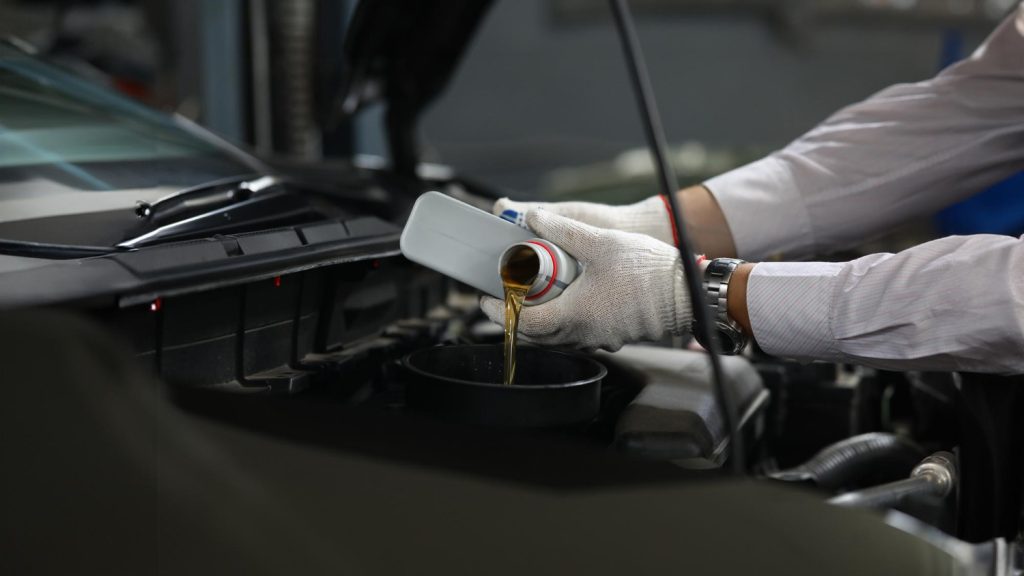
The frequency of oil changes depends on what type of oil you use and how you use your car. Experts usually suggest changing your car’s oil every 5,000 to 10,000 kilometres. However, the type of oil you use varies, as outlined below:
Types of oil
Mineral oil:
Frequency change: Every 5,000 to 7,500 kilometres.
Ideal use: Older vehicles or vehicles with engines specifically designed for mineral oil.
Synthetic oil:
Change frequency: Every 10,000 to 15,000 kilometres.
Ideal use: Modern, high-performance vehicles operating in extreme conditions, as they offer optimal protection and efficiency.
Does car use affect oil change frequency?
As we mentioned earlier, the frequency of oil changes also depends on the driving conditions of your vehicle. Here are our recommendations:
City Driving:
Characterised by short trips, heavy traffic, and frequent stops.
Recommendation: Change the oil at shorter intervals within the recommended range.
Highway driving:
Includes long journeys and a steady pace.
Recommendation: Follow the maximum recommended interval for the type of oil used.
Extreme conditions:
Driving in very hot, cold, dusty, or humid weather.
Recommendation: Change the oil frequently to ensure engine protection.
Choose the right oil
Just as not all cars are the same, there are different types of oil. It’s important to choose the right one for your engine type and driving conditions. To do this, you can refer to your vehicle’s owner’s manual, consult with authorised service professionals, or search for information. However, keep the following aspects in mind when choosing your oil:
- Viscosity: Viscosity is a measure of the fluidity of an oil—thicker oils with high viscosity work best for engines that run at high temperatures. Thinner oils with low viscosity are best for engines that run in low temperatures.
- Oil type: Motor oil comes in different types, including mineral, synthetic, and semi-synthetic oils. Each type of oil has its own advantages and disadvantages.
- Certifications: Some oils have quality certifications from car manufacturers or independent organisations. These certifications show that the oil meets your car manufacturer’s quality standards.
Oil filter change:
When changing the oil, it is also important to change the oil filter, another important component for the engine. Why? Simply put, the oil filter is responsible for removing contamination from the product, so it is important to keep it in good condition for the oil to perform its job correctly.
Benefits of regular oil changes
Let’s move on to the most important aspects. With regular oil changes and careful monitoring, we can achieve the following positive results:
- Extends engine life: Clean and healthy oil properly lubricates engine parts, reducing friction and wear, resulting in a longer engine life.
- Reduces fuel consumption: Quality oil helps the engine work more efficiently, which saves fuel.
- Improves engine performance: A well-lubricated engine always runs smoothly and powerfully.
- Reduces pollution: Good oil improves the fuel combustion process in the engine, thereby reducing harmful emissions.
- Protects against costly damage: Regular oil changes prevent costly engine problems and reduce the risk of sudden breakdowns.
Consequences of not changing the oil on time
Not changing the oil on time can have a variety of adverse effects on your car:
- Rapid engine wear: Without enough lubrication, the engine’s moving parts get damaged quickly.
- Overheating: Old or dirty oil cannot control the engine’s temperature, which can cause the engine to overheat.
- Reduced fuel efficiency: If the engine isn’t well lubricated, it works harder and uses more fuel.
- Major engine damage: Not changing the oil for a long time can cause serious problems in the engine, which often leads to expensive repairs.
Changing the oil regularly helps your car’s engine perform well and last longer. Unusual engine noises, an oil warning light, dark or burnt-smelling oil, dark exhaust smoke, and excessive mileage are all signs that it’s time for an oil change.
The exact time for an oil change depends on the type of oil used, driving habits, and the car manufacturer’s recommendations.
🚗 Rose Way Car Wash is always ready to take care of your car.
From oil changes to complete maintenance, contact us today to keep your car in top condition.
You may like!

How to Remove Pet Hair From Car Carpets (Madaffah, Abu Dhabi Guide)
How to Remove Pet Hair From Car Carpets (Madaffah, Abu...
Read More