How to Clean and Moisturize Car Leather Table of Contents1...
Read MoreCar Polishing vs Waxing
Table of Contents
- 1 Car
Polishing vs Waxing
- 1.1 What is waxing and polishing in car detailing?
- 1.2 What is the difference between waxing and polishing?
- 1.3 Polishing process: step-by-step instructions
- 1.4 Polishing Tools and Materials: Choosing the Right Polishing Compound and Pads
- 1.5 Waxing process: step-by-step instructions
- 1.6 Waxing Tools and Materials: Overview
- 1.7 Objectives and results: Comparison of waxing and polishing objectives
- 1.8 When to use: When and why to use polishing or waxing.
- 1.9 Durability and Safety: How long do the effects of waxing and polishing last?
- 1.10 When Polishing: Common Mistakes and How to Avoid Them
- 1.11 You may like!
- 1.12 How to Clean and Moisturize Car Leather
- 1.13 How to Remove Pet Hair From Car Carpets (Madaffah, Abu Dhabi Guide)
- 1.14 Can a car wash remove wax or polish?
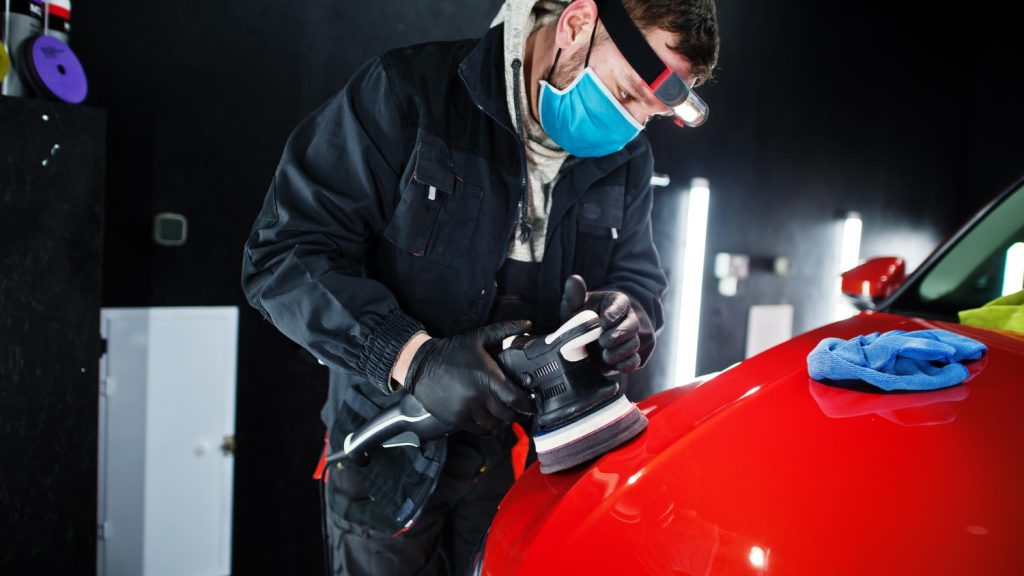
Taking care of our cars doesn’t just mean washing them occasionally; it means taking care of them in a way that preserves and enhances their beauty. Waxing and polishing are two fundamental steps in car detailing, becoming increasingly popular among those who want to keep their cars in top condition at all times.
We know that these two processes add visible shine and long-lasting protection to a car’s bodywork. But the question is, do you know how waxing and polishing actually work? And how do they protect the car’s appearance and keep it sparkling like new? In this article, we will learn the real difference between waxing and polishing, how they work, and why these two processes are essential to keeping your car attractive and protected.
What is waxing and polishing in car detailing?
Polishing and waxing are two important steps in exterior car care, which brighten the car’s paint and provide long-lasting protection.
Polishing:
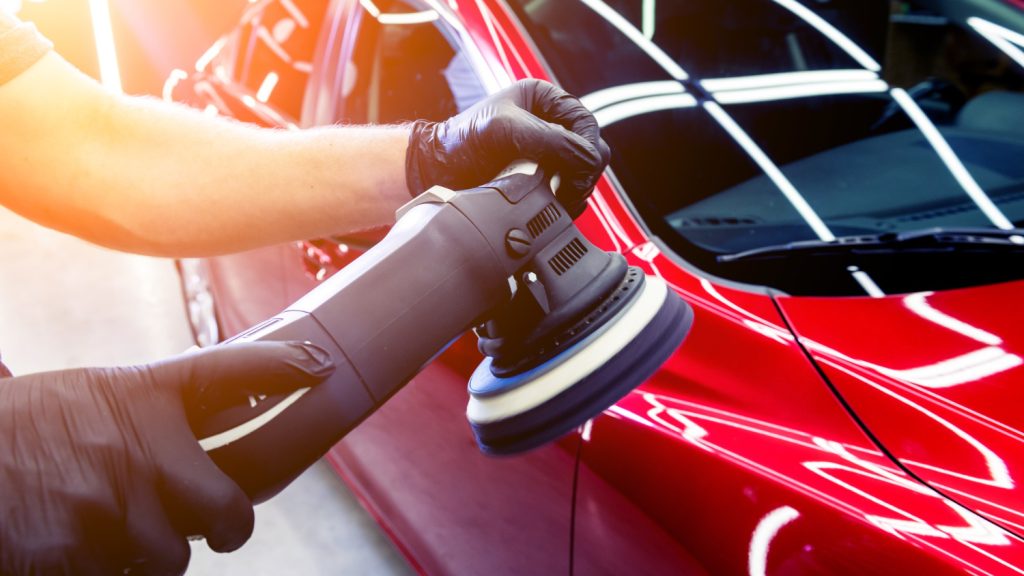
This step removes minor imperfections in the car’s paint, such as scratches, swirl marks, or surface irregularities. A machine and special abrasives smooth the top layer of paint during polishing. This restores the paint’s natural shine and gives the car a shiny finish.
This is a very delicate process; if not done properly, the colour can be damaged. Therefore, it is safest to have it done by an experienced technician.
Waxing:
The next step in polishing is waxing, creating a protective layer. You apply a thin layer of natural or synthetic wax to your car’s surface to protect it from sunlight, dust, rain, and pollution. Waxing not only provides protection but also brings a deep shine to the car’s paint, making it look like new.
What is the difference between waxing and polishing?
Waxing and polishing, although they sound like the same thing, have different purposes. Polishing smooths the surface by reducing fine scratches, swirl marks, and oxidation on the paint. As a result, it restores the lost brightness and makes the shine more clearly visible. Waxing protects that shine. It adds a light coat over the paint that keeps away sunlight, dust, and moisture, helping the car stay clean and glossy for longer.
Simply put: Polishing brings back the shine, waxing maintains that shine. If the paint is faded or stained, polish first, then wax. If it is new or in good condition, regular waxing is sufficient. If you follow these two steps properly, your car’s exterior will stay in good condition for a long time.
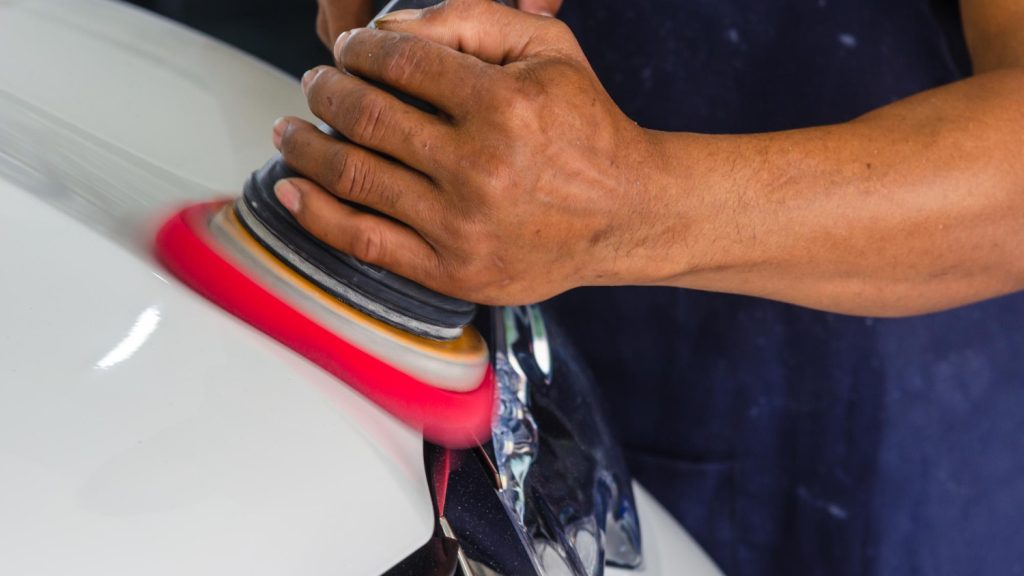
Polishing process: step-by-step instructions
- Preparation: First, wash the car thoroughly to remove all dirt and dust, then dry it thoroughly. Check the condition of the paint to determine how deep the polishing needs to be.
- Masking: Use masking tape to cover parts that don’t need polishing, like rubber seals, plastic trims, and mouldings.
- Polish application: Select the appropriate polish according to the colour of the car. Apply a small amount to the pad and spread it evenly.
- Buffing: Start at a low speed, then gradually increase the speed. Apply moderate pressure to each area so the polish sits evenly.
- Test: Check the results after you finish each section. If necessary, apply a light polish again to the same area.
- Final step: Wipe off any residue with a clean microfiber cloth. Then, if desired, apply wax or sealant to maintain the shine and protection.
Polishing Tools and Materials: Choosing the Right Polishing Compound and Pads
Polisher: People most commonly use two types of polishers:
- Rotary polisher: Suitable for experienced users, as it works quickly but can cause paint damage if not used properly.
- Orbital polisher: Safe and easy to control for novice or intermediate users.
Polisher Pad: Choose a foam, microfiber, or wool pad depending on the type of polisher and desired finish.
- Foam pads are available in various hardness levels and are generally suitable for all types of tasks.
Polishing Compound: Polishes are available in different concentrations to suit different needs:
- For deep scratches, use a harder or coarser grit compound.
- Choose a fine polisher for finishing. It is usually best to start with a light polish, gradually using a harder compound if necessary.
- Microfiber cloth: Use a soft microfiber cloth to remove polish residue and shine the finish in the final step. This gives the car a perfect shine without leaving any marks on the paint.
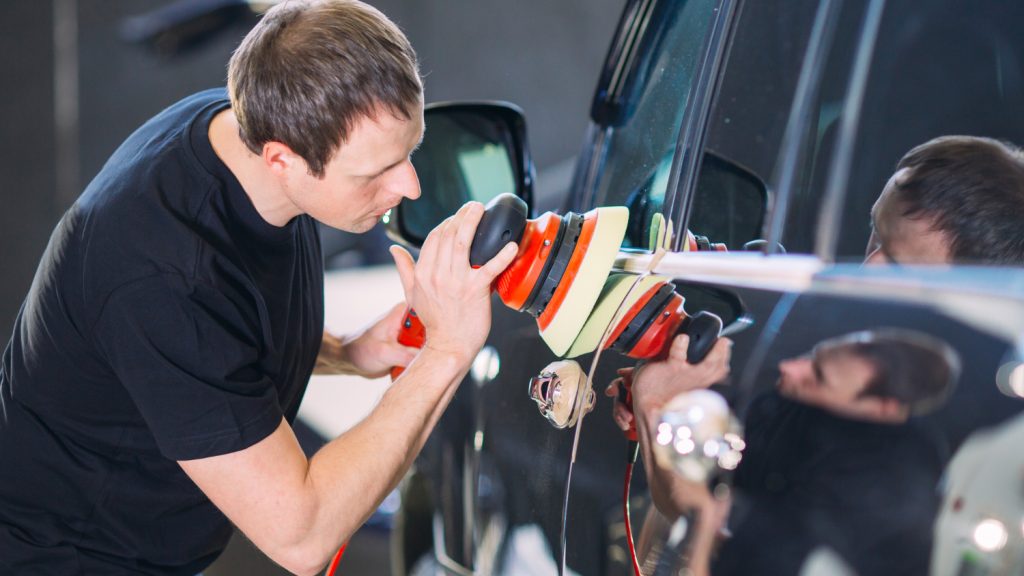
Waxing process: step-by-step instructions
- Cleaning: Wash and dry your car completely before you apply the wax. This will remove dust, dirt, and old stains from the surface, allowing the wax to adhere properly.
- Preparation: If your car’s paint has an old layer of wax or stubborn dirt, remove it first with a mild cleaner or paint cleaning product. This will help the new wax adhere evenly.
- Applying wax: Apply wax in small sections using a soft applicator pad. Apply lightly in circular motions, ensuring an even coating over the entire surface.
- Polishing: After the wax dries (as directed for your product), gently buff the surface with a clean microfiber cloth until it looks evenly shiny.
- Inspection: Finally, inspect the entire car. If any area seems less shiny, reapply a light coat to that area and buff it smooth.
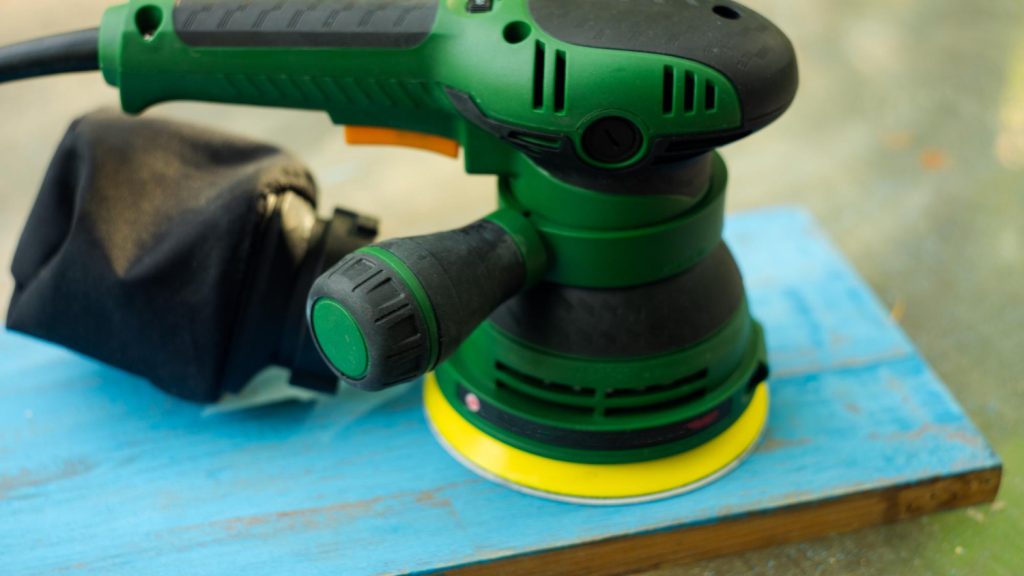
Waxing Tools and Materials: Overview
• Liquid wax:
Most popular for regular use. It is easy to apply and provides good protection and shine. Ideal for everyday use in cars.
• Paste wax:
Relatively thick and long-lasting. Effective in protecting harsh environments (such as sun, dust, or heavily used vehicles).
• Spray wax:
Suitable for quick and easy use. Although convenient for moderate use, it is slightly less protective than liquid or paste wax.
• Synthetic wax:
This wax, made with modern technology, provides a long-lasting shine and is easy to apply. It is an excellent option for car owners who want long-term protection.
Objectives and results: Comparison of waxing and polishing objectives
The main function of polishing is to smooth and even out the surface of the car’s paint. It removes fine scratches, swirl marks, and signs of oxidation. Polishing or buffing creates a smooth, shiny finish on the paint, which helps the wax to adhere easily and effectively in the next step.
On the other hand, the purpose of waxing is to protect that smooth surface. After polishing, spread a light coat of wax over the paint to keep it safe from sunlight, rain, dust, and dirt. The goal of waxing is not to create a shine like polish, but to maintain that shine for a long time and increase the durability of the colour.
When to use: When and why to use polishing or waxing.
If your car’s paint looks dull or has minor surface irregularities, you should polish it. It is beneficial before waxing to ensure the polish is as smooth and even as possible to ensure the wax performs at its best.
Waxing should be done periodically after polishing and every thorough car wash. This is an important step to protect the paint and maintain its shine over time. Waxing depends less on the condition of the paint and more on keeping the existing shine and protection.
Durability and Safety: How long do the effects of waxing and polishing last?
The durability of a polish depends on several factors, including the vehicle’s use and exposure to environmental elements. Typically, a polished finish will remain shiny for several months to a year before requiring additional treatment.
How long the wax lasts depends on the type you use and the conditions your car faces. A good-quality wax can protect the paint for anywhere between two months and six years. To keep your car’s paint in top shape, make sure to wax it regularly.

When Polishing: Common Mistakes and How to Avoid Them
Applying excessive pressure:
Many people think that applying more pressure will give better results when polishing. In fact, this is a big mistake. Pressing too hard can scratch the surface or damage the paint. Instead, use light, even pressure and let the machine do the work on its own.
Using the wrong polish:
Not all polishes are suitable for all types of paint or scratches. Using an overly abrasive polish can ruin a good paint finish. Therefore, it is important to choose the right polish according to the condition of the car’s paint.
Missing space:
Sometimes, in a hurry, some parts are missed, which makes the entire car’s finish look uneven. When polishing, work in stages and make sure that each part is well covered.
Polishing and waxing both require a combination of fine skills and experience to achieve the perfect finish. At Rose Way Car Wash, we use modern equipment and professional techniques to ensure that every car gets a visible and long-lasting shine.
Our goal is not just to make your car shine, but to carefully protect every part of it, so that you can experience the actual value of the entire detailing treatment. If you want to improve the protection, colour durability and appearance of your car, then visit our workshop in Abu Dhabi. It is our pleasure to help you keep your vehicle in the best condition.
You may like!

How to Remove Pet Hair From Car Carpets (Madaffah, Abu Dhabi Guide)
How to Remove Pet Hair From Car Carpets (Madaffah, Abu...
Read More