
How to Clean and Moisturize Car Leather Table of Contents1...
Read MoreOutdoor vs Indoor Parking Car Wash - What Changes?
Table of Contents
- 1 Outdoor vs Indoor Parking
Car Wash - What Changes?
- 1.1 How Outdoor Parking Affects Your Car
- 1.2 How Indoor Parking Changes Wash Needs
- 1.3 Wash Frequency Comparison - Outdoor vs Indoor
- 1.4 Protection Strategy Based on Parking Type
- 1.5 Quick Action Checklist
- 1.6 FAQ
- 1.7 You may like!
- 1.8 How to Clean and Moisturize Car Leather
- 1.9 How to Remove Pet Hair From Car Carpets (Madaffah, Abu Dhabi Guide)
- 1.10 Can a car wash remove wax or polish?
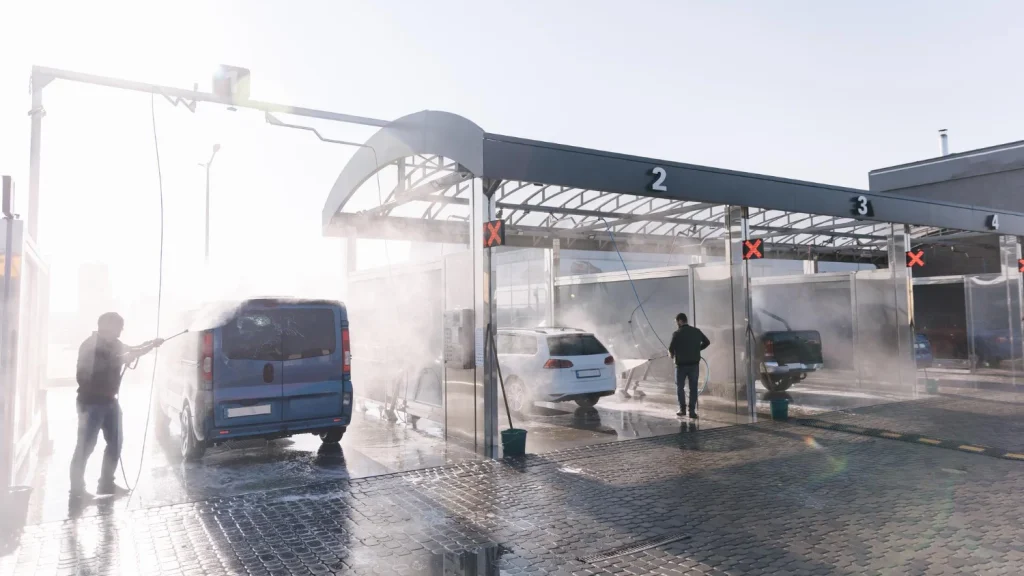
In outdoor parking, cars are directly exposed to sun, dust, UV rays, and sand, which can cause dirt to accumulate quickly and paint to deteriorate. Indoor parking protects from direct sunlight, but does not completely block out dust or moisture. Therefore, the need for car washes varies depending on the parking type.
How Outdoor Parking Affects Your Car
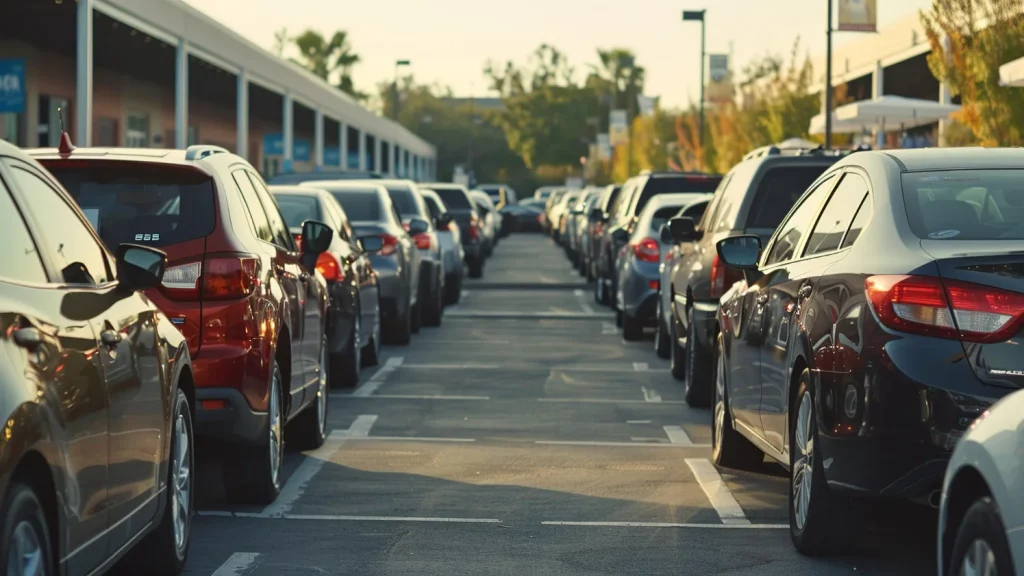
When you park a car in the open, it is exposed to the direct effects of the environment every day. The first few days are not noticeable, but over time, the effects become clear.
UV Rays and Paint Damage
If left in the sun for a long time, the sun’s UV rays gradually affect the paint. Initially, the colour’s brightness decreases. Later, the clear coat may weaken.
Fading is especially noticeable on dark-colored cars. Even if you wash your car regularly, constant sun exposure will slowly cause damage if you do not use paint protection.
Dust
Outdoor parking means dust accumulation is a natural occurrence. In areas like Mussafah, dust settles on cars very quickly.
Bird Droppings and Tree Sap
It’s not uncommon to find bird droppings or tree sap dripping onto your car when parked in an open area. Not only do these look unsightly, but they also contain acidic substances.
Leaving it for a long time can cause stains or etching on the paint. This damage accelerates when exposed to the sun. Therefore, it is important to clean it quickly if it is parked outdoors.
How Indoor Parking Changes Wash Needs
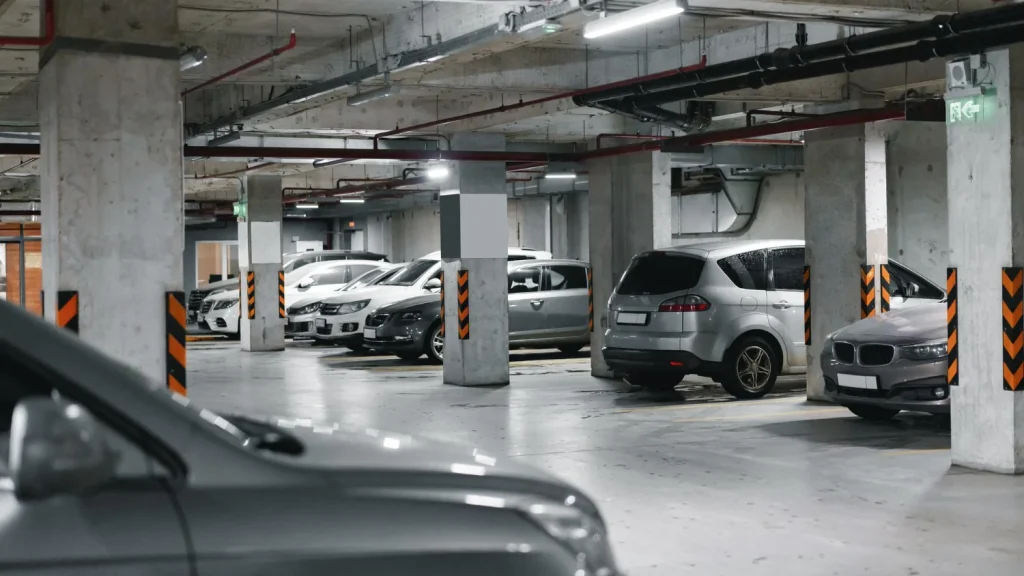
Indoor parking is convenient in many ways. However, many people think that parking indoors makes their cars completely safe. In reality, indoor parking reduces some risks but creates some new issues.
Reduced Sun Exposure
Indoor parking does not have direct sunlight. This prevents the paint from fading quickly. Clear coat also deteriorates relatively slowly. Paint ageing is slower because there is no daily UV exposure like in an outdoor-parked car. Therefore, you can increase the wash interval slightly.
Less Direct Dust Accumulation
Indoor parking creates less dust than open spaces. Sand, pollen, or airborne particles do not settle directly. As a result, dirt buildup is relatively slow. However, it does not stop completely. Dust also accumulates in basements or covered parking lots, only at a slower rate.
Hidden Moisture and Humidity Risks
A separate problem of indoor parking is humidity. Especially in basement parking, where ventilation is limited, moisture can accumulate. If this humidity persists for a long time, corrosion can begin on the metal parts. Sometimes, a slight damp or mould smell develops inside. Therefore, regular inspection and timely washing are also important for indoor-parked cars.
Wash Frequency Comparison - Outdoor vs Indoor
| Parking Type | Recommended Wash Frequency | Main Risk | Extra Protection Needed |
|---|---|---|---|
| Outdoor | Weekly | UV + Dust | Wax or Sealant |
| Covered | 10–14 days | Dust accumulation | Rinse regularly |
| Indoor | 2–3 weeks | Humidity | Interior cleaning |
Protection Strategy Based on Parking Type
The type of care you take needs to change depending on how you park. One rule doesn’t work for everyone.
If You Park Outdoors
If you park your car in an open area and don’t regularly maintain it, damage can accumulate quickly.
- Frequent washing: It is best to wash at least once a week.
- Wax every 2–3 months: Regular application of wax or sealant adds a layer of protection against UV rays and dirt.
- Undercarriage rinse: It is important to remove dirt and moisture that has accumulated on the underside. This reduces the risk of corrosion.
If You Park Indoors
Indoor parking reduces some risks, but you still need to maintain the car regularly.
- Biweekly wash: Washing the car once every two weeks will be enough if you do not use it very much.
- Moisture check: Be careful not to accumulate moisture in basements or poorly ventilated areas.
- Interior care: Regular vacuuming and cleaning help prevent dust, dampness, and odours.
Quick Action Checklist
How often should you wash your car? These small steps will make the decision easier.
- Identify parking type: Is the car in the open, in a covered shed, or in the basement? Clean it first.
- Check dust level: Touch it lightly with your finger. If there is a thin layer of dust, you can wait. If there is a thick layer, don’t delay.
- Inspect the paint surface: If you see bird stains, tree sap, white water spots, or anything greasy, clean it immediately.
- Choose the correct wash interval: Once a week if outdoors. 10-14 days if covered. Once, 2-3 weeks indoors is usually enough.
By checking these four things regularly, you can avoid unnecessary paint damage.
It's safest to come to the best car wash center in Madaffah and get a free inspection.
FAQ
Does outdoor parking require more frequent car washes?
Yes. When you park the car outdoors, direct sunlight, dust, and sand hit it constantly. This causes dirt to accumulate quickly, increasing the risk of paint damage. Therefore, you should wash outdoor-parked cars more frequently than indoor-parked cars.
Is indoor parking enough to protect paint?
Indoor parking protects from the sun, but does not completely block out dust and moisture. So, just keeping it indoors does not keep the paint completely safe. Regular washing and basic care are still necessary.
How often should I wash a car parked outside in Abu Dhabi?
Abu Dhabi has high levels of dust and UV exposure. If parked outdoors, it is generally safe to wash once a week. If there is a lot of construction dust or sand, it is better to clean more often.
Does covered parking reduce wash frequency?
Covered parking reduces the effects of direct sunlight and rain. As a result, you can increase the wash interval slightly. However, you cannot eliminate dust, so you should clean the car every 10–14 days.
You may like!

How to Remove Pet Hair From Car Carpets (Madaffah, Abu Dhabi Guide)
How to Remove Pet Hair From Car Carpets (Madaffah, Abu...
Read More