How to Clean and Moisturize Car Leather Table of Contents1...
Read MoreHow Sand and Dust Increase Wash Damage?
Table of Contents
- 1 How
Sand and Dust
Increase Wash Damage?
- 1.1 Why are sand and dust so harmful to cars?
- 1.2 Why is car washing the most risky if there is sand or dust?
- 1.3 Light Dust vs Heavy Sand: How to decide whether to wash?
- 1.4 Wash Decision Table
- 1.5 How does Professional Car Wash reduce Sand Damage?
- 1.6 Long-Term Protection Options
- 1.7 FAQ
- 1.8 You may like!
- 1.9 How to Clean and Moisturize Car Leather
- 1.10 How to Remove Pet Hair From Car Carpets (Madaffah, Abu Dhabi Guide)
- 1.11 Can a car wash remove wax or polish?
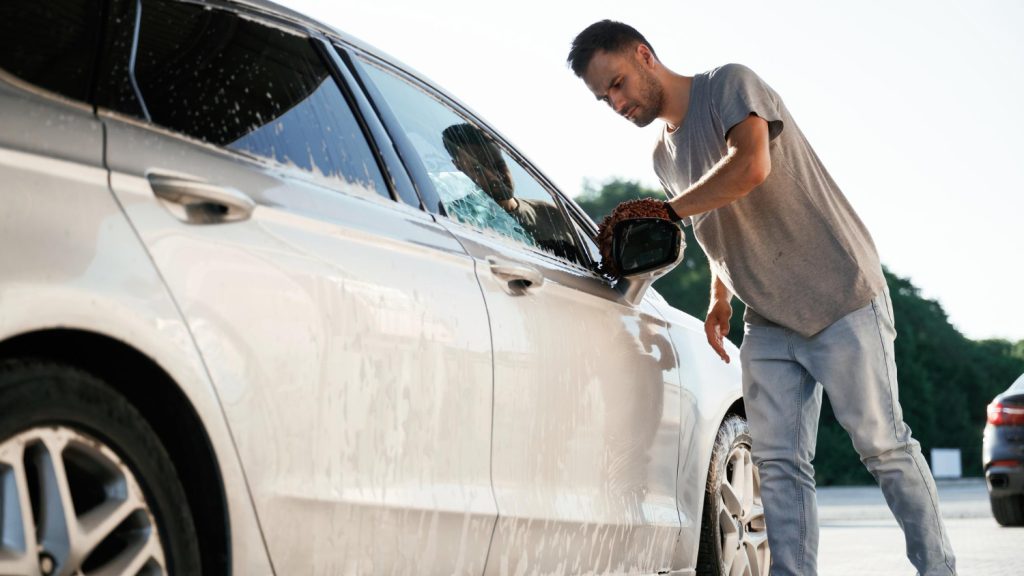
Sand and dust are harmful to a car’s paint on their own. But washing your car incorrectly while they are present can increase the damage several times over. If you wipe it with a dry cloth, rub it with a sponge, or use too much or too little pressure, the sand particles act like sandpaper, cutting the paint. This damage is particularly noticeable in Mussafah and Abu Dhabi, where industrial dust, outdoor parking, and intense heat contribute to it.
Why are sand and dust so harmful to cars?
Sand and dust may seem harmless, but they can slowly cause serious damage to your car’s paint. The problem starts when these particles rub against the surface.
How sand particles work like sandpaper
Sand particles are small but very hard. If they fall on paint:
- Each particle acts as a small abrasive grain
- Applying a cloth, sponge, or brush creates friction.
- Micro scratches start from that friction.
Once you create these scratches:
- Paint does not stay smooth
- Swirl marks appear in the light
- Damage increases more rapidly in the next wash
This is why wiping or rubbing directly while sand is present is the biggest mistake.
Industrial dust vs everyday road dust
Not all dust is the same. The dust that is most common in the Mussafah area is more harmful than regular road dust.
Here’s the difference:
- Everyday road dust: Relatively soft, contains more clay particles
- Industrial dust: Mixed with cement, metal, and construction particles, the particles are harder and sharper
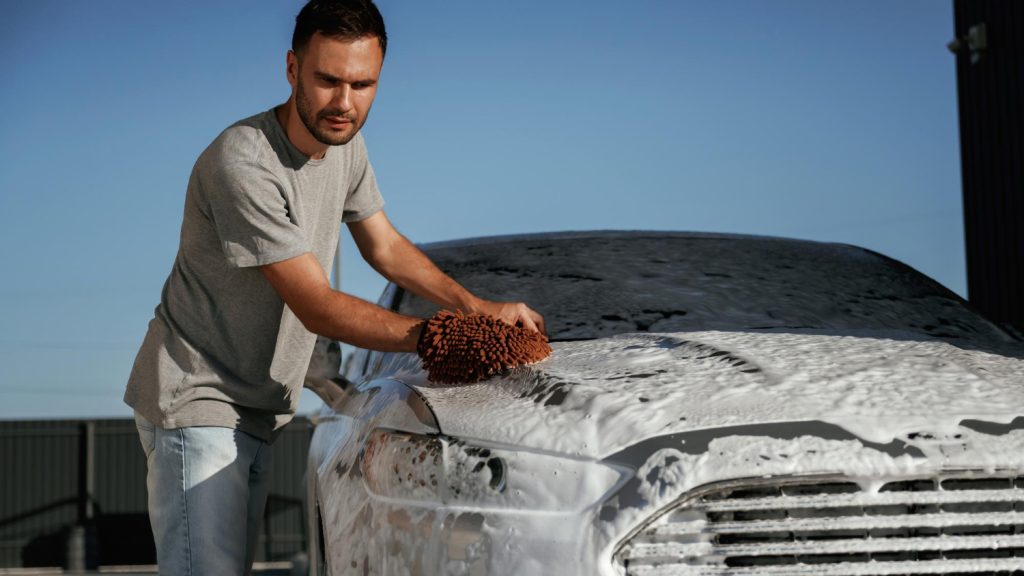
Why is car washing the most risky if there is sand or dust?
If there is sand, rubbing means scratching. When dust and sand sit on the surface, applying a cloth, sponge, or brush creates friction, which cuts the paint.
Why is dry wiping the most dangerous?
When wiping a dry car, the sand particles are pressed directly onto the paint.
What happens:
- Sand particles rub against paint.
- A single pull creates many microscratches.
- Even if the scratch is not visible, swirl marks appear in the light.
What happens if you wash with a sponge or a cloth?
Using a sponge or cloth while sand is present will only exacerbate the problem.
Reason:
- A sponge holds sand particles
- Sand is pulled from one place to another in each stroke.
- Clear coat wears off slowly.
How does friction cut paint without water?
Water is not only for cleaning; it also provides lubrication.
If there is no water:
- Sand particles rub directly against the paint.
- Friction increases
- The clear coat wears off quickly.
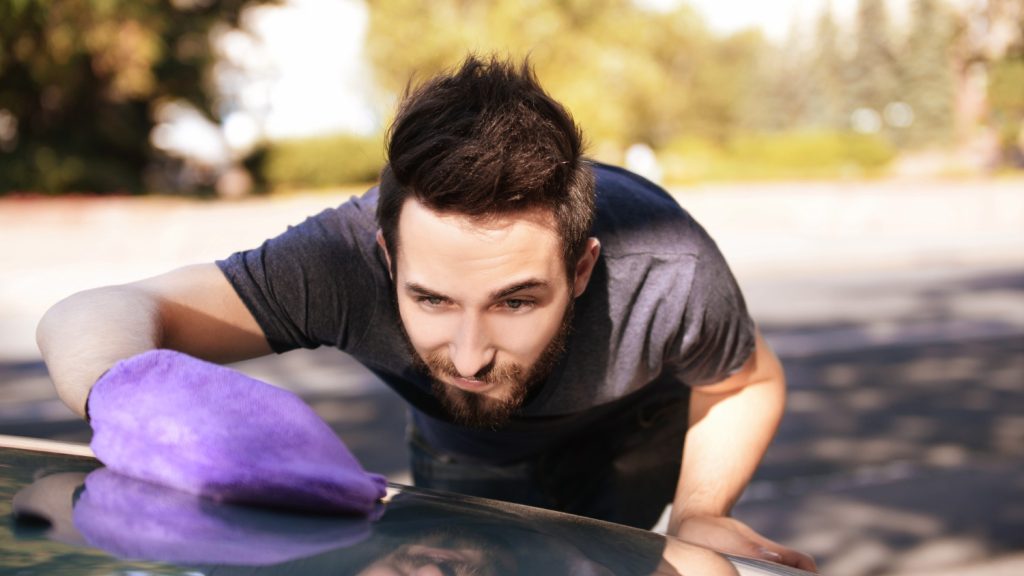
Light Dust vs Heavy Sand: How to decide whether to wash?
Not all dust is the same. Understanding the type of dust can help you avoid paint damage. The main question here is, should you contact the wash or stay away first?
Is it safe if it is light dust?
Light dust usually sits lightly on the surface. In this case:
- Rinse thoroughly with water first.
- Then clean with a clean microfiber cloth using a very light touch.
- Do not rub the same area repeatedly.
In this method, the sand particles do not come into contact with the paint, reducing the risk of scratches.
What to do after a heavy sand or sandstorm
A heavy sandstorm leaves the car covered in sand. If you make a mistake here, you’re guaranteed damage.
In this situation:
- Do not apply any cloth or sponge first.
- Remove as much sand as possible with a touchless water rinse first.
- Do not start contact washing until you completely remove the sand.
Wash Decision Table
Situation | Should I wash it? | Safe Action |
Light dust | Yes | Water rinse + microfiber |
Heavy sand | No | Touchless rinse first |
After sandstorm | Yes (carefully) | Pre-rinse + no contact |
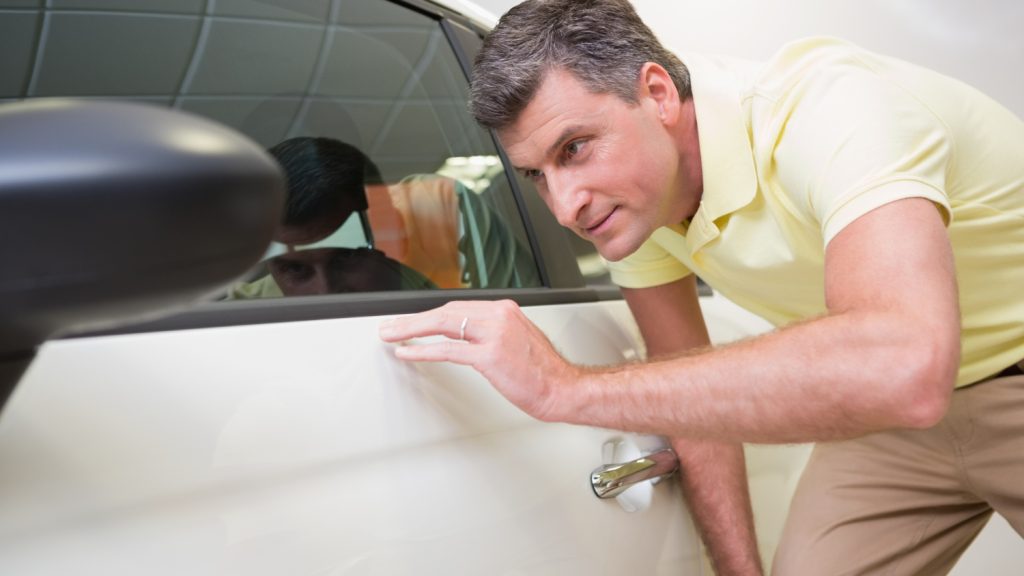
How does Professional Car Wash reduce Sand Damage?
A regular wash can be risky if sand and dust accumulate. The advantage of professional car washes is that they follow a different process to minimize damage.
Pre-rinse system
The first step in a professional wash is pre-rinse.
In this step:
- They remove loose sand and dust using large amounts of water.
- Water loosens the abrasive particles on the surface
- They remove most of the sand before contact.
Touchless techniques
Many professional washes use a touchless method, where the brush or sponge does not come into direct contact with the paint.
Its advantages:
- No friction with sand particles
- Reduces the risk of micro scratches
- Clear coat remains intact
Controlled pressure and clean tools
Professional washers control the water pressure. Just as too much pressure can cause damage, sand will not come off properly even with low pressure.
Besides:
- Technicians clean the microfiber cloth and mitt regularly.
- They do not use a dirty sponge
- Technicians keep contamination to a minimum at every step.
This is why professional wash sand is more effective in reducing damage.
Long-Term Protection Options
Once exposed to sand and dust, just washing is not enough. Paint needs some long-term protection to prevent future damage.
- Wax: Wax creates a temporary protective layer over paint. It helps protect the surface from dust, water, and light sand contact. You need to reapply it regularly.
- Sealant: Sealant is more durable than wax. It creates a hard layer over the paint, which helps protect it from minor damage from sand and dust.
- Ceramic coating: Provides the strongest long-term protection. It holds less dust, is easier to wash, and is less susceptible to paint damage from light sand exposure.
- Paint inspection: Even if sand damage is not visible, micro scratches may still be present. Regular paint inspections can catch problems early and prevent major damage.
It's safest to come to the best car wash center in Madaffah and get a free inspection.
FAQ
Is it safe to wipe with a cloth if there is sand?
No. If there is sand, wiping it with a cloth will create micro scratches.
Is high-pressure washing safe?
It is safe if applied at the proper distance and angle. Applying it too close or at a sharp angle can damage the paint.
Does touchless wash reduce sand damage?
Yes. There is less direct contact in touchless wash, so sand-induced scratches are less.
Can sand scratches be removed?
You can reduce light scratches with polish or paint correction. Deep scratches require professional repair.
You may like!

How to Remove Pet Hair From Car Carpets (Madaffah, Abu Dhabi Guide)
How to Remove Pet Hair From Car Carpets (Madaffah, Abu...
Read More